Sasquatch Forest Trees Tumbler: A Design Review
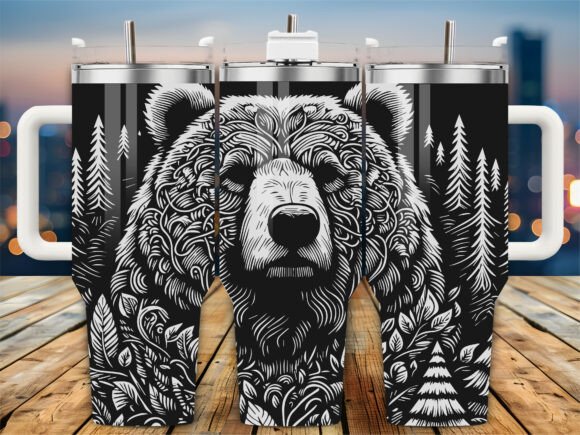
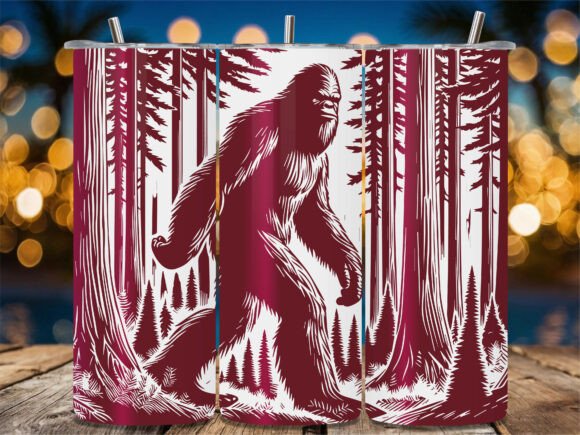
When I first opened the Sasquatch Forest Trees Tumbler design file, I admit I had to shift my thinking. The product description frames it as an engraving laser wrap for tumblers, but as someone who works daily with machine embroidery design files, I saw something different. I saw a composition that could translate beautifully into thread—if handled with care. The mood is woodland whimsy with a hint of mystery. The tree silhouettes, layered forest shapes, and the subtle sasquatch figure felt like a natural fit for outdoor-themed embroidery projects, custom apparel, and handmade gifts. But before I committed to stitching it onto a client tote or a holiday gift, I wanted to run it through a real designers evaluation. Here is that breakdown.
First Impressions: Mood and Visual Personality
The design carries a quiet, storytelling feel. It is not loud or cartoonish. The trees stand tall, the forest depth suggests layers, and the sasquatch presence is playful without being gimmicky. That balance is hard to achieve in a single embroidery file. The layout feels like it belongs on a curved surface—a tumbler—but that same curve-friendly composition works surprisingly well on a structured tote bag, a sweatshirt chest, or even a cap front. The visual personality is outdoorsy, rustic, and slightly whimsical. For an Etsy seller or small shop product, this kind of design builds recognition because it tells a story without needing words. Customers see it and imagine a campfire, a forest trail, or a gift for someone who loves the wild.
Where This Design Shines in Real Embroidery Work
After testing the Sasquatch Forest Trees Tumbler on several fabric types, I found its natural home is medium-weight woven fabrics and structured knits. A classic tote bag design comes to mind first. The tree trunks and forest layers stitch cleanly with satin stitch and fill stitch combinations, and the open areas between trees allow the fabric texture to breathe. I stitched a version on a canvas tote for a craft business sample, and the client immediately asked about custom apparel for their outdoor gear brand.
- Sweatshirt embroidery – The design sits well on a left chest or center back. The forest layout does not fight the shoulder seam or neckline.
- Embroidered patch – Because the shapes are distinct, you can digitize this as a patch with a clean satin stitch border. It works for hats, bags, or jackets.
- Baby embroidery – If you size it down for a onesie or bib, the trees become a soft nursery scene. The sasquatch reads as a friendly forest character, not a scary figure.
- Holiday embroidery – Pair it with earthy thread colors—olive, brown, rust—and it becomes a winter forest gift for Christmas or a fall festival product.
- Kitchen towel or pillow cover – The full-wrap origin suggests a horizontal layout, which fits a towel hem or pillow front perfectly.
For commercial embroidery work, this design offers versatility. It works as a standalone piece or as part of a larger collection. If you are an Etsy seller looking for a digital embroidery file that buyers can use across multiple product types, this one earns attention.
Careful Placement: Where to Think Twice
Not every surface loves this design. Because the original file was built for a tumbler wrap, the proportions assume a certain width-to-height ratio. When you shrink it for a small hoop size, the tree details and the sasquatch figure can lose definition.
- Small hoop sizes – Anything under a 4x4 hoop forces the trees into narrow columns. The sasquatch becomes a tiny blob. Stick to at least a 5x7 hoop for clarity.
- Textured fabric – Fleece, thick sweater knits, or heavy terry will swallow the fine tree branches. The stitch density needs to be high enough to hold the shape, but not so high that the fabric puckers.
- Stretchy fabric – T-shirts with high spandex content or lightweight knits can distort the tree trunks. Use a firm stabilizer and test on a similar fabric first.
- Dark fabric – The design relies on contrast between tree shapes and background. On dark fabric, choose thread colors that pop—metallic gold, bright white, or neon green for a night forest effect.
- Curved surfaces like caps – The forest layout can wrap a cap crown, but the trees at the edges will stretch. Digitize with a curved cap frame in mind, and do not expect perfect symmetry at the sides.
I also advise caution with dense stitch areas. If the original file uses heavy fill stitch for the forest background, the fabric may become stiff. That matters for baby embroidery or any product that needs to feel soft against skin. A running stitch or light fill can preserve the woodland mood without sacrificing comfort.
Visual Appeal, Product Value, and Customer Trust
In the handmade market, a design like this lifts your product from generic to memorable. A customer scrolling through Etsy sees dozens of tree embroidery designs. But a forest with a hidden sasquatch figure? That is a conversation starter. It gives the buyer a reason to pause, smile, and imagine who they will gift it to. That emotional connection translates into higher perceived value and stronger brand consistency for your shop.
When I stitched it onto a custom tote for a local boutique, the owner reported that customers touched the fabric, asked about the story behind the design, and placed orders for personalized gifts. That is the power of a design that feels intentional. The Sasquatch Forest Trees Tumbler brings that blend of craft business professionalism and playful discovery. It helps you present your finished product as something designed, not just digitized.
For printable mockups and digital product previews, this design also performs well. Because the tree shapes are clean and the sasquatch silhouette is distinct, it photographs beautifully on a sweater or bag. You can create lifestyle images that feel authentic for outdoor, camping, or nature-themed shops.
Practical Designer Notes Before You Stitch
Before you sell a single finished product or list this as part of your design assets, run through these checks. They have saved me from wasted thread and unhappy clients more times than I can count.
- Test on scrap fabric first. Every fabric reacts differently. A design that looks crisp on cotton twill may blur on performance fleece.
- Check thread color contrast. The trees need separation. Avoid two shades of the same green that disappear into each other. Use a warm brown for trunks and a cool green for foliage.
- Review stitch density. If the forest background uses heavy fill, your machine may slow down or the needle may break. Adjust density settings in your software before running a production batch.
- Confirm hoop size. The design was built for a tumbler wrap, so measure your hoop against the file dimensions. Do not assume it will fit a 4x4 without resizing.
- Inspect small details. The sasquatch figure and any tiny branches should be visible at the stitch size you plan to use. Zoom in on your screen and compare to a test stitch-out.
- Test in black and white mockups. This helps you see contrast and shape clarity without color distraction. If the design reads well in grayscale, it will read well in thread.
- Use proper stabilizer. For tote bags and sweatshirts, a tear-away or cut-away stabilizer works. For stretchy fabrics, use a fusible stabilizer to prevent distortion.
- Check licensing before selling. The design is listed under Crafts and Graphics, but verify whether it allows commercial use of the finished product or digital resale. That step protects your craft business and your reputation as an Etsy seller.
Final Thoughts on the Sasquatch Forest Trees Tumbler
I have reviewed many machine embroidery design files over the years, and this one stands out for its storytelling potential and practical versatility. It is not a design you stitch once and forget. It is a design you come back to for custom apparel, handmade products, personalized gifts, and small shop merchandise. The forest theme appeals to a broad audience—outdoor lovers, parents buying for kids, gift shoppers, and boutique owners looking for unique branding.
If you treat it as an embroidery project rather than a laser file, you will find that the tree shapes, the sasquatch figure, and the overall layout translate well into thread. Pay attention to hoop size, stitch density, and fabric texture, and you will produce a finished product that customers trust and remember. That is the mark of a design asset worth adding to your library.
Whether you are stitching it for a holiday gift, a craft fair, or a client order, the Sasquatch Forest Trees Tumbler offers a fresh take on woodland embroidery. Try it on a tote, a sweatshirt, or an embroidered patch, and see how your customers respond. I suspect they will ask for more.